Peach Varieties for Eastern Washington
Growing peaches in the Palouse takes careful variety selection. Here are the cold-hardy cultivars we're planting at Nadeau Farms and what makes them suited to our climate.
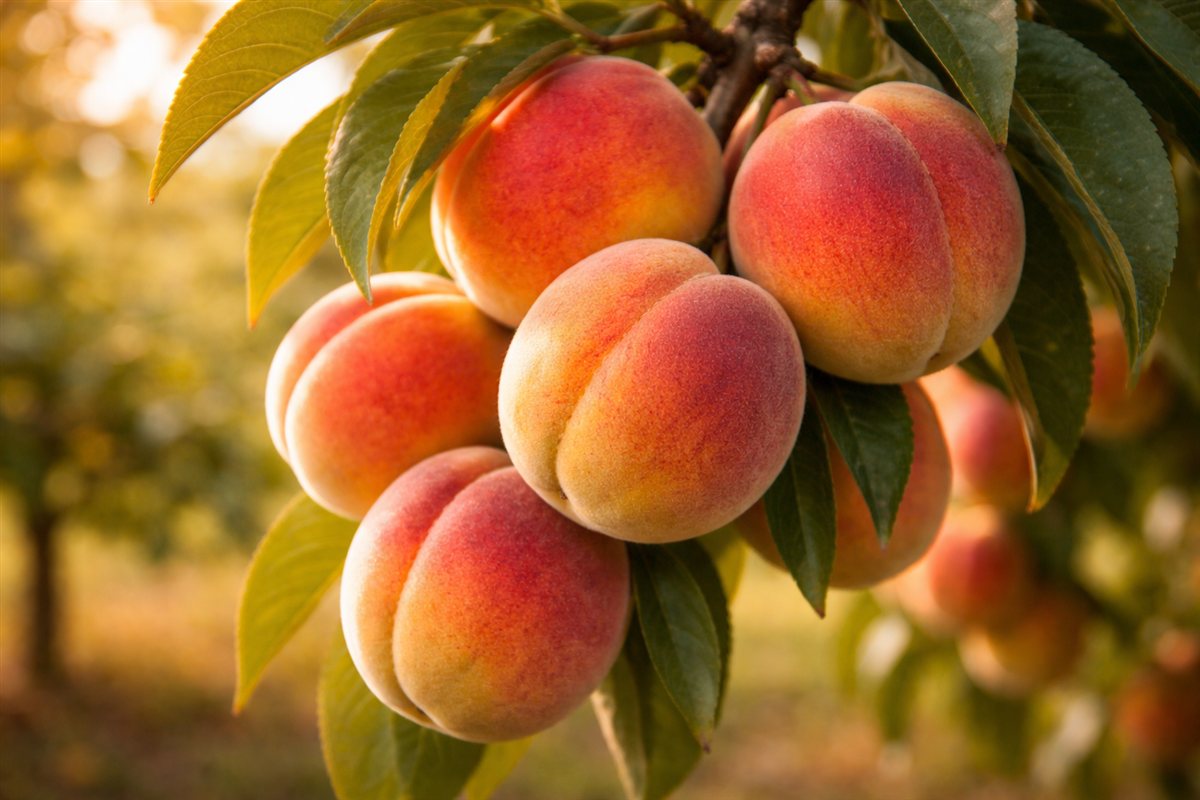
Can You Grow Peaches in Eastern Washington?
Yes — with the right varieties. The main challenge is late spring frost. Peach blossoms are more frost-sensitive than apple or pear blossoms, so a late freeze after bloom can wipe out a year's crop. The solution is choosing late-blooming varieties and planting in the warmest microclimate available on your property.
The Pullman area (USDA Zone 6b) typically sees last frost dates in late April to mid-May. Varieties that bloom in mid to late May give the best chance of avoiding frost damage.
Variety Profiles
Reliance
Harvest: Late July–August · Hardy to: -25°F · Type: Freestone
One of the hardiest peach varieties available. Reliance was developed at the University of New Hampshire specifically for cold climates. The fruit is medium-sized with yellow flesh and a sweet, classic peach flavor. It's self-fertile, so it doesn't need a pollination partner.
Contender
Harvest: August · Hardy to: -20°F · Type: Freestone
Contender lives up to its name — it's known for reliable production even in climates where other peach varieties struggle. The fruit is large, with firm yellow flesh that's excellent for fresh eating, canning, and freezing. Late blooming reduces frost risk significantly.
Veteran
Harvest: Late August · Hardy to: -20°F · Type: Freestone
A Canadian-bred variety developed at the Vineland Research Station in Ontario. Veteran produces medium to large fruit with yellow flesh and a rich, aromatic flavor. It's been proven in cold-climate growing for decades.
Harken
Harvest: Mid-August · Hardy to: -15°F · Type: Freestone
A popular commercial variety that also does well in home orchards and u-pick operations. Harken produces large, attractive fruit with firm flesh that holds up well to handling — important for a u-pick environment where fruit needs to survive the trip home.
Growing Tips for the Palouse
- •Pick a warm spot. South-facing slopes or walls that radiate heat are ideal. Avoid low spots where cold air pools on spring nights.
- •Prune for an open center. Peaches fruit on one-year-old wood. Annual pruning encourages new growth and lets sunlight into the canopy for better fruit ripening.
- •Thin the fruit. Peach trees often set more fruit than they can support. Thin to one peach every 6–8 inches along the branch for larger, sweeter fruit.
- •Watch for peach leaf curl. A common fungal disease in wet springs. A single dormant-season copper spray before bud break is the standard preventive treatment.